Ever had one of those days where the sound of the kettle boiling feels like a physical punch to the gut? Or maybe you’ve watched your child go from "perfectly fine" to a full-blown meltdown in the middle of the supermarket, and you’re left wondering what on earth just happened?
If you’re nodding along, welcome to the club. You’re in a safe space.
At Noa's Place, we live and breathe this stuff. We know that for neurodivergent folks in Halifax and across West Yorkshire, the world isn't just "busy", it’s often loud, bright, itchy, and completely overwhelming.
The thing is, sensory overload isn't just about "being sensitive." It’s a physiological response where the brain receives more information than it can process. And honestly? Most of us are handling it in ways that, while well-intentioned, actually make things harder.
Let’s talk about the seven most common mistakes we see people making with sensory overload and, more importantly, how a Sensory Profile can be the game-changer you’ve been looking for.
1. Ignoring the "Rumble" Stage
Most people don't notice sensory overload until it hits the "volcano" stage, the meltdown or the complete shutdown. But there is almost always a "Rumble" stage first.
Think of it like a thunderstorm. Before the downpour, the air gets heavy, the wind picks up, and the birds go quiet. In humans, the rumble stage looks like:
- Increased fidgeting or "stimming."
- Becoming shorter or more irritable with questions.
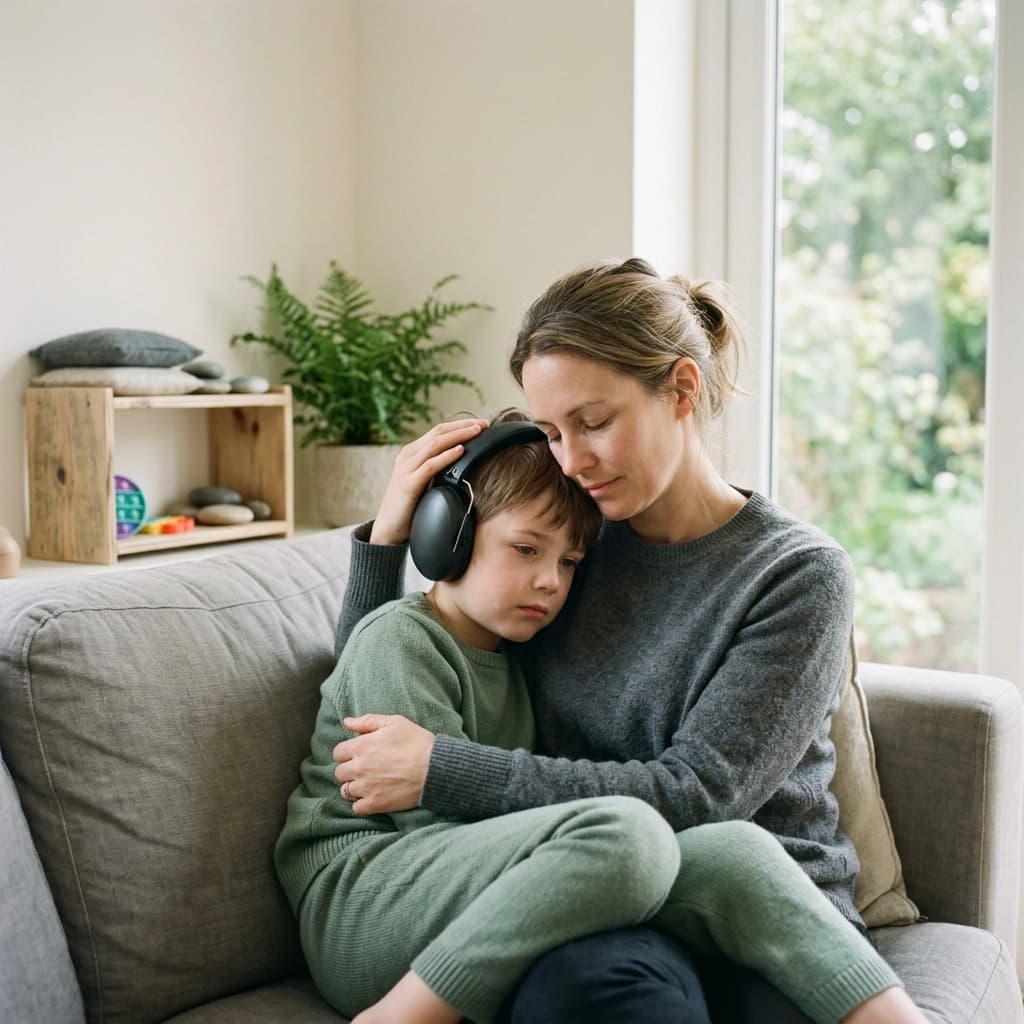
- Covering ears or squinting.
- Moving away from the source of noise or light.
The Fix: Start treating the "rumble" as the emergency, not the meltdown. If you or your child start showing these signs, it’s time to exit the situation or use a regulation tool immediately. Don't wait for the "storm" to break.

2. The "One-Size-Fits-All" Trap
There’s a big misconception that "sensory friendly" means "quiet and dark." While that’s true for many, it’s a trap to think it works for everyone.
Neurodiversity support isn't a blanket solution because every brain is wired differently. Some people are sensory avoiders (they need less input), while others are sensory seekers (they need more input to feel grounded).
If you try to put a sensory seeker in a dark, silent room, they might actually become more dysregulated because their brain is craving stimulation.
The Fix: You need to identify whether you’re dealing with an avoider or a seeker for each sense (touch, taste, sight, sound, smell, vestibular, and proprioception). This is where our interactive tools come in handy to help you map those specific needs.
3. Only Thinking About Kids
This is a huge one. We often talk about ADHD family support or SEND support in Halifax in the context of children. But guess what? Neurodivergent kids grow up to be neurodivergent adults.
Sensory overload doesn't have an expiration date. Adults and teens experience it just as intensely, but they often have "learned" to hide it (more on that later). Whether it’s the hum of office lights or the chaos of a busy train station, adults need just as much grace and just as many tools as kids do.
The Fix: We’ve designed specific resources like the Sensory Profile for Adults and the All About Me for Teens. Because understanding your own sensory needs is the first step to a happier, less exhausted life.

4. Forcing "Quiet" When They Need "Movement"
When someone is overwhelmed, our instinct is often to say, "Sshhh, sit still, be calm." But for many neurodivergent people, the fix isn't stillness; it's heavy work.
Sometimes the brain needs to know where the body is in space. This is called proprioception. If a person is feeling "floaty" or overwhelmed, they might need:
- A weighted blanket.
- A tight hug.
- To push against a wall.
- To jump on a trampoline.
The Fix: If "quiet time" isn't working, try "active regulation." A swing or a heavy velvet beanbag can do wonders. This is why when we talk about sensory room benefits, we aren't just talking about bubble tubes; we’re talking about crash mats and tactile walls too.
5. Waiting for the Crisis
Are you only thinking about sensory needs when things go wrong? That’s like only buying a fire extinguisher while the curtains are on fire.
The best way to manage sensory overload is to build a Sensory Diet into your daily routine. This means proactively giving your nervous system what it needs throughout the day so that it doesn't reach the breaking point.
The Fix: Create a Safety Plan. Use your sensory profile to schedule "sensory snacks" (5 minutes of a preferred activity) every few hours. Prevention is much easier than recovery.

6. Forgetting the After-Effect (The "Sensory Hangover")
Have you ever had a big day out: maybe a birthday party or a trip to a theme park: and then felt absolutely wretched the next day? That’s a sensory hangover.
Even after the bright lights are gone and the noise has stopped, the nervous system can remain in a state of high alert for hours or even days. If you expect yourself (or your child) to "get back to normal" the second you leave a loud environment, you’re setting everyone up for a fall.
The Fix: Factor in "decompression time." If you have a high-sensory event in the morning, the afternoon should be low-demand and high-comfort. No exceptions.
7. Masking Through the Pain
This is perhaps the most exhausting mistake of all. Masking is when a neurodivergent person tries to "act normal" to fit in. They smile through the loud music, they ignore the itchy tag on their shirt, and they suppress the urge to stim.
Masking is incredibly expensive in terms of mental energy. It leads directly to burnout and makes sensory overload happen much faster.
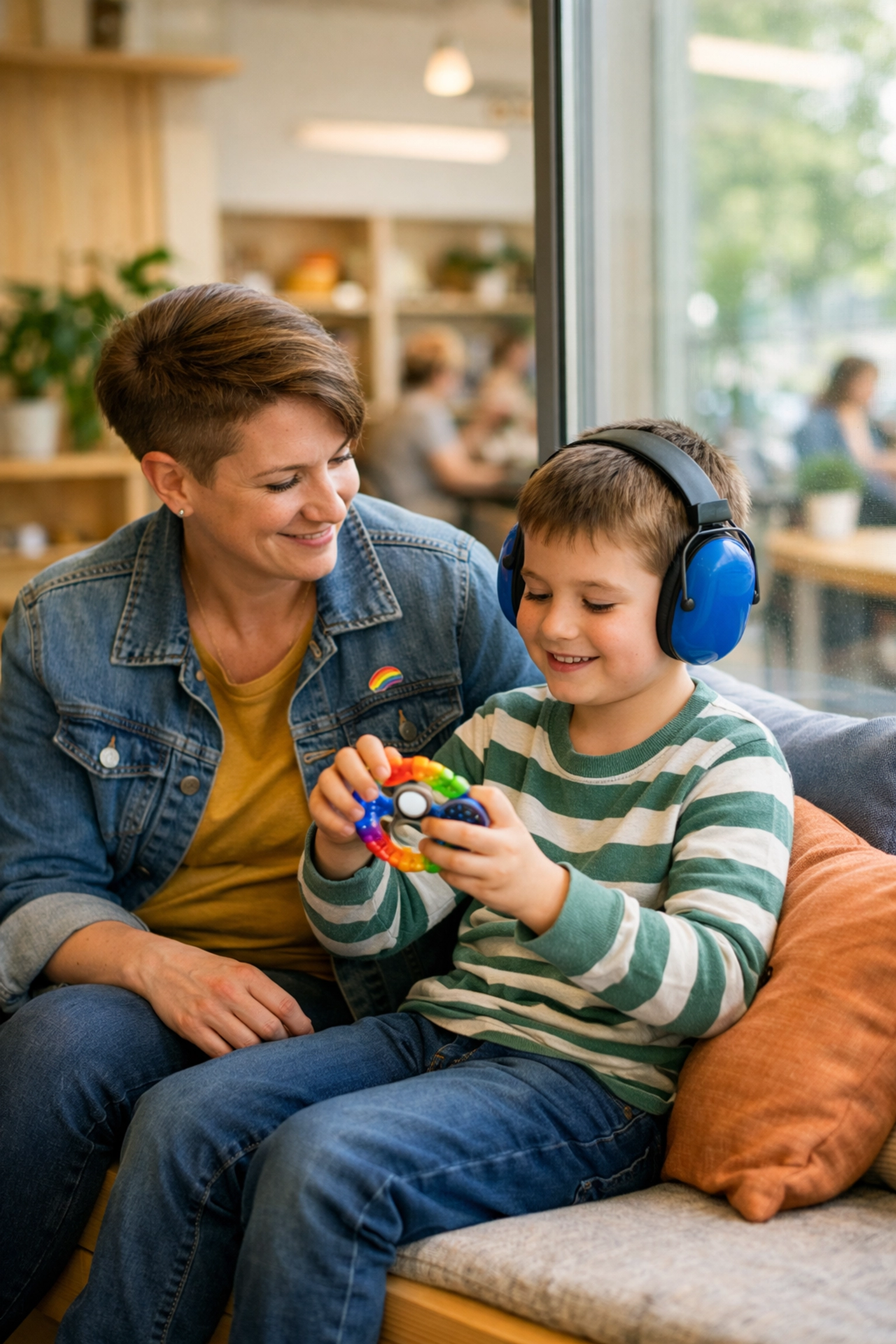
The Fix: Find autism friendly spaces where you don't have to mask. That is exactly the kind of community we are building at Noa's Place. We want you to be your full, stimming, ear-defender-wearing self without a second thought.

The Ultimate Fix: Building Your Sensory Profile
So, how do you stop making these mistakes? It starts with a Sensory Profile.
A sensory profile is basically a map of your (or your child's) unique sensory system. It identifies:
- Triggers: What sends you into the "rumble" stage? (e.g., the sound of chewing, fluorescent lights).
- Glimmers: What makes you feel safe and calm? (e.g., the smell of lavender, the feeling of a cold breeze).
By mapping these out, you stop guessing and start supporting. Instead of searching "sensory room near me" and hoping for the best, you’ll know exactly what equipment or environment will actually help.
How Noa's Place is Helping Halifax
We know that finding disability community support that actually "gets it" can be a struggle. Right now, Noa's Place is a community-led organisation (with our CIO application in progress!) operating primarily online.
But our vision is big. We are working hard to establish a physical inclusive community hub right here in Halifax. We want to provide:
- State-of-the-art sensory rooms in Halifax for all ages.
- A "no-masking" zone for families.
- Practical SEND support and advice.
While we work on the building, our online community is thriving. You can access our interactive tools right now to start building that sensory profile. Whether you need an All About Me form for school or a Sensory Overload Guide for yourself, we’ve got your back.
Join the Community
You don't have to do this alone. If you're looking for inclusive community support or just a group of people who won't judge you when things get "too much," come and find us.
Check out our About page to see what we're all about, or contact us if you want to get involved in our journey to bringing more sensory friendly activities for adults and kids to West Yorkshire.
Remember: Your sensory needs are valid. You aren't "difficult," and you aren't "too much." You’re just processing the world a little differently: and we think that’s pretty amazing.
Noa’s Place is a community-led organisation. We are currently in the process of applying for Foundation CIO (Charity) status. Your support helps us move one step closer to opening our physical hub in Halifax!