Have you ever walked into a supermarket and felt like the lights were screaming at you?
Maybe you’re sitting at your desk, and the sound of your colleague’s keyboard feels like a hammer hitting a nail. Over and over.
You try to focus. You try to "be professional." But inside, your brain feels like a browser with fifty tabs open, and three of them are playing loud music you can't find.
If you’ve ever felt this way, I want you to take a deep breath.
You aren't "difficult." You aren't "dramatic."
Your nervous system is just doing its job, it's taking in a lot of information. Sometimes, it’s just too much information at once.
At Noa’s Place, we call this the "brain buzz." And we want you to know that it’s okay to need a way to turn the volume down.
The Heavy Weight of "Masking"
For many adults, especially those who are neurodivergent, we spend our whole lives "masking."
Masking is like wearing a heavy, invisible costume. You pretend the lights aren't too bright. You pretend the itchy tag on your shirt isn't driving you wild. You smile when you actually want to cover your ears.
It is exhausting. It’s like running a marathon while everyone else is just taking a stroll.
The activities we’re going to talk about today aren't just "hobbies." They are ways to take that heavy costume off.
This is about "unmasking." It’s about letting yourself be exactly who you are, without judgment.

We’re Building a Home for This.
Before we dive into the list, I want to share something exciting.
At Noa's Place, we are currently working hard to build a physical hub, a real-world space where you can come, be yourself, and find peace.
Right now, we are an online community and a digital presence. We're building the foundation first. But even though our doors aren't physically open yet, our digital arms are wide open.
You can check out what we're up to at noasplace.org.uk. We’re here to support you while we grow.
Now, let’s look at 10 ways you can give your brain a much-needed break.
1. The Magic of a Weighted Blanket
Have you ever noticed how a big, firm hug can make you feel safe?
A weighted blanket does exactly that. It uses "deep pressure."
Think of it like this: your brain sometimes loses track of where your body ends and the world begins. This can make you feel anxious or "floaty."
The weight tells your brain, "Hey, here is your body. You are safe right here." It’s a physical reminder to stay grounded.
2. Sensory Bins (Yes, for Adults!)
You might think sensory bins: boxes filled with rice, beans, or water beads: are just for toddlers.
But why should kids have all the fun?
There is something deeply soothing about running your hands through cold, smooth lentils or squishy beads. It focuses your brain on one single touch sensation.
It shuts out the "noise" of the world and lets you just feel. It’s a reset button for a busy mind.
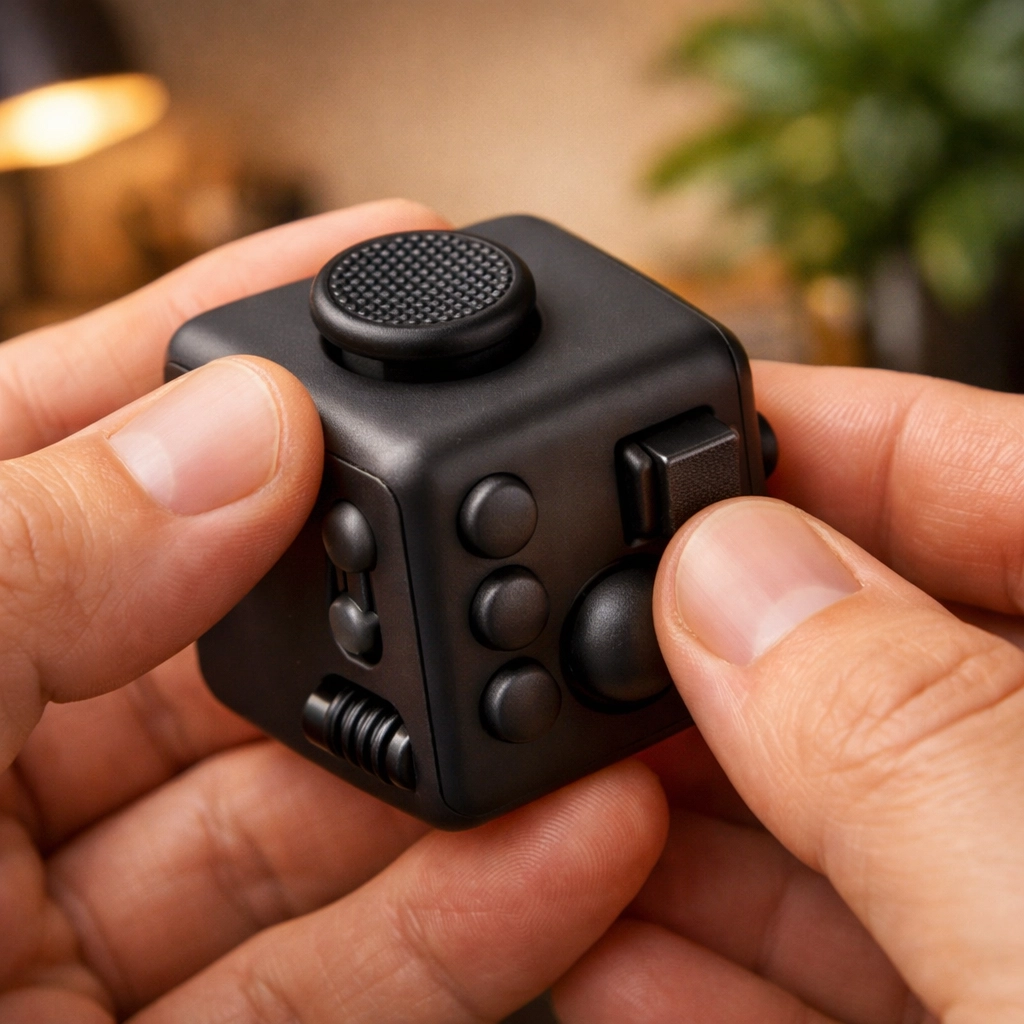
3. Fidget Toys: The Office Survival Kit
Fidgeting isn't a "bad habit." For many of us, it’s a way to concentrate.
When your hands are busy clicking a cube or spinning a ring, that extra "distraction" energy has somewhere to go.
It leaves the rest of your brain free to focus on that meeting or that book you’re reading. If you feel like you're about to boil over, a good fidget toy can let the steam out slowly.
4. Popping Bubble Wrap
We’ve all done it. But did you know it’s actually a great sensory tool?
The "pop" gives you two things at once: a satisfying feeling under your fingers and a clear, predictable sound.
In a world that feels unpredictable, the "pop" is something you can control. It’s a tiny, rhythmic victory for your senses.
5. Yoga and Slow Stretching
You don't need to be able to touch your toes to do this.
Yoga is just about moving your body on purpose. It helps with something called "proprioception."
That’s a big word for "knowing where your elbows are."
When you stretch slowly, you are talking to your nervous system. You’re telling it that there is no emergency. Everything is okay.
If you’re feeling overwhelmed, you can even check out our feelings and coping tools to help find your center.
6. The World of Pottery and Clay
There is something special about clay. It’s messy, it’s heavy, and it changes shape when you touch it.
Getting your hands dirty is actually very grounding. It pulls you out of your head and into your hands.
Plus, there is no "wrong" way to do it. You can just squish it. You can roll it. You can unmask and just play.
7. Art, Puzzles, and "Brain Rest"
Sometimes, your eyes need a break from screens.
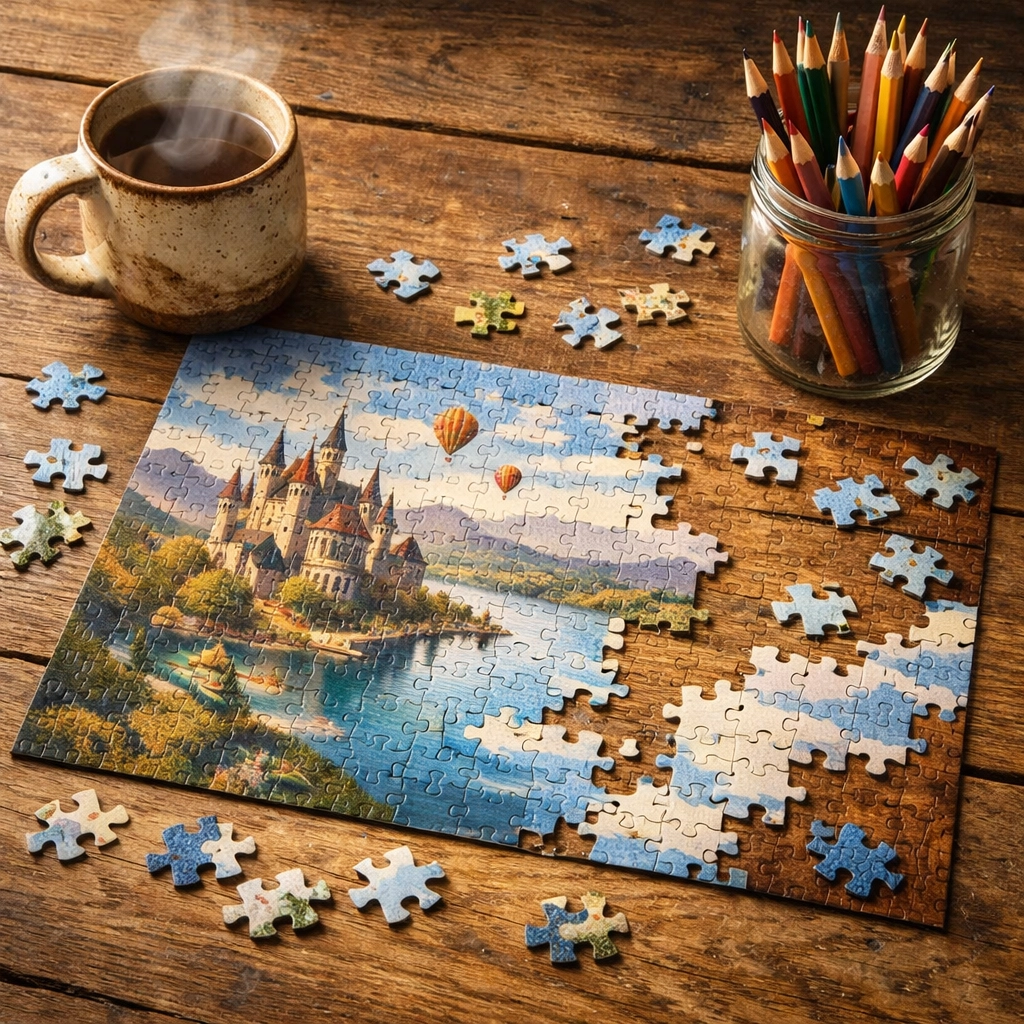
Coloring in a book or putting a puzzle together gives your eyes a "soft focus." You aren't searching for information or reacting to notifications.
You’re just looking for a blue piece. Or a red crayon.
It’s a quiet, gentle way to spend time with yourself. It’s a form of meditation that doesn't involve sitting perfectly still.
8. Aromatherapy: The Power of Smell
Our noses are directly connected to the part of our brain that handles emotions.
A certain smell can take you from "panic" to "peace" in seconds.
Maybe it’s lavender, or maybe it’s the smell of fresh coffee or rain. Finding the scents that make you feel safe is like building an invisible shield around yourself.
9. Movement, Dancing, and "Shaking it Off"
Ever felt so frustrated you wanted to scream? Try dancing instead. Or swimming.
Movement helps your "vestibular" system. Those are the little parts in your ears that help you stay balanced.
When you move your body through water or dance to your favorite song, you’re helping your brain organize itself. You’re shaking off the "mask" you’ve been wearing all day.
10. Noise-Canceling Headphones: The Ultimate Boundary
The world is loud. Leaf blowers, sirens, humming fridges: it never stops.
Noise-canceling headphones are a gift to your ears. They create a "bubble" of silence.
When you put them on, you’re telling the world, "I’m taking a break now." It’s one of the best ways to prevent sensory overload.
Why You Deserve a Calm Space
We live in a world that is designed for people who don't get overwhelmed easily. But that doesn't mean there is anything wrong with you.
It just means you need a different set of tools.
Creating a "calm space" at home isn't a luxury. It’s a necessity. It’s where you go to recharge your batteries so you can face the world again tomorrow.
Whether it’s a corner of your bedroom with a soft light and a weighted blanket, or a digital space like Noa's Place, having a place where you don't have to pretend is vital.

Let’s Support Each Other
Being an adult with sensory needs can feel lonely. You might feel like you’re the only one who needs to hide in the bathroom for five minutes just to get some silence.
But you aren't alone.
We are building a community here to remind you that your needs are valid. Whether you use our interactive tools to track your feelings or just read our blog for a bit of comfort, we’re glad you’re here.
Remember, Noa's Place is currently an online presence. We are growing and building, but our mission to provide a welcoming space for everyone is already in full swing.
If you're looking for a way to better understand your own needs, you might find our All About Me tool for adults really helpful. It’s a great way to start unmasking and figuring out what makes you feel safe.
You don't have to carry the weight of the world on your shoulders. Sometimes, a weighted blanket is all the weight you need.
Be kind to your brain today. You’re doing a great job.